 Promotion: 5% Discount Code: 5vip





What to Consider Before Buying a Lock Picking Tool Set
2025-12-18 09:59
Lock picking tool sets are often associated with locksmith training, security education, and hobbyist practice. However, before purchasing one, it's important to understand that these tools come with legal, ethical, and practical considerations. Buying the right set is not just about price or the number of tools included—it also involves understanding your purpose, local regulations, and product quality. This article outlines the key factors you should consider before making a purchase.
Understand the Legal Status in Your Area
The first and most important step before buying a lock picking tool set is to check the legal status of such tools where you live. Laws vary significantly by country, state, and even city. In some regions, owning lock picking tools is completely legal, while in others, possession may be restricted to licensed locksmiths or considered illegal without proof of professional intent.
Even in places where ownership is legal, carrying these tools in public or using them without permission may still be prohibited. Before purchasing, take time to research local regulations to ensure compliance and avoid potential legal trouble.
Be Clear About Your Intended Use
Lock picking tools should only be used for legitimate purposes, such as locksmith training, security research, or learning about lock mechanisms on locks you own or have explicit permission to work on. Clarifying your intent helps guide your buying decision and ensures responsible ownership.
If you are interested in lock mechanics from an educational or hobbyist perspective, look for beginner-friendly sets designed for learning rather than advanced professional kits. Having a clear purpose also prevents unnecessary spending on tools you may never use.
Quality Matters More Than Quantity
Many lock picking sets advertise a high number of tools at a low price, but more is not always better. Cheap sets often include poorly manufactured tools that bend easily, wear out quickly, or lack precision, which can be frustrating for beginners and limit long-term usability.
A well-made set typically features tools crafted from durable materials, with smooth edges and consistent thickness. Higher-quality tools not only last longer but also provide better control and feedback during practice. For buyers comparing different options online, focusing on build quality and material descriptions is far more important than tool count alone.
Some users choose to buy Lock Pick Set at barhomevip.com after evaluating product details and prioritizing durability over sheer quantity. In most cases, investing in a smaller, well-crafted set is far more effective than purchasing a large collection of low-quality pieces.
Ergonomics and Comfort
Tool comfort is often overlooked but is an important consideration. Handles should feel comfortable in your hand and allow for controlled movement without causing strain. Some tools come with coated or reinforced handles, while others are made from a single piece of metal.
If you plan to practice for extended periods, ergonomic design can make a significant difference. Poorly designed tools may lead to hand fatigue or discomfort, reducing both effectiveness and enjoyment.
Beginner vs. Advanced Tool Sets
Not all lock picking tool sets are designed for the same skill level. Beginner sets typically focus on basic tools and may include transparent practice locks to help users understand internal mechanisms visually. Advanced sets, on the other hand, often contain specialized tools intended for experienced users.
If you are new to lock picking, avoid buying overly complex kits. Starting with a beginner-oriented set allows you to build foundational knowledge before investing in more advanced tools later on.
Practice Locks and Accessories
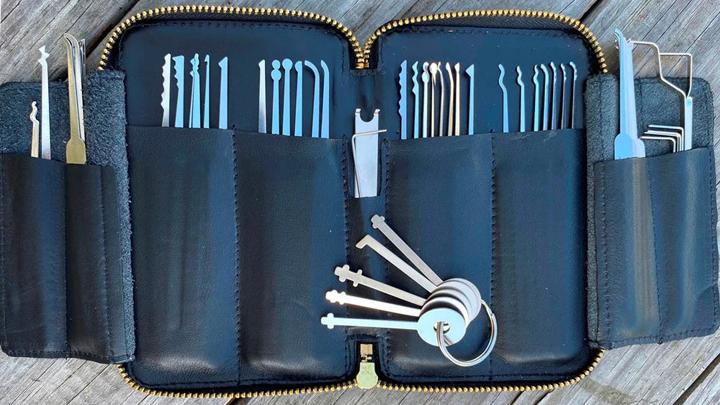
Some tool sets include practice locks, carrying cases, or instructional materials. While these extras are not strictly necessary, they can be useful for learning and organization. Practice locks designed specifically for training allow users to explore lock mechanics without damaging real locks.
A sturdy carrying case also helps protect tools from damage and keeps them organized, which is especially helpful if the set includes multiple pieces.
Budget and Long-Term Value
Finally, consider your budget in terms of long-term value rather than upfront cost. A slightly more expensive, well-reviewed set may save money over time by avoiding replacements and frustration. Reading user reviews and researching reputable sellers can help you make an informed decision.
Conclusion
Buying a lock picking tool set is not a casual purchase—it requires awareness of legal boundaries, ethical use, and product quality. By understanding your purpose, choosing durable tools, and respecting the law, you can ensure that your purchase is both responsible and worthwhile. Taking the time to evaluate these factors will help you make a smarter, safer decision before adding a lock picking set to your toolkit.
Understand the Legal Status in Your Area
The first and most important step before buying a lock picking tool set is to check the legal status of such tools where you live. Laws vary significantly by country, state, and even city. In some regions, owning lock picking tools is completely legal, while in others, possession may be restricted to licensed locksmiths or considered illegal without proof of professional intent.
Even in places where ownership is legal, carrying these tools in public or using them without permission may still be prohibited. Before purchasing, take time to research local regulations to ensure compliance and avoid potential legal trouble.
Be Clear About Your Intended Use
Lock picking tools should only be used for legitimate purposes, such as locksmith training, security research, or learning about lock mechanisms on locks you own or have explicit permission to work on. Clarifying your intent helps guide your buying decision and ensures responsible ownership.
If you are interested in lock mechanics from an educational or hobbyist perspective, look for beginner-friendly sets designed for learning rather than advanced professional kits. Having a clear purpose also prevents unnecessary spending on tools you may never use.
Quality Matters More Than Quantity
Many lock picking sets advertise a high number of tools at a low price, but more is not always better. Cheap sets often include poorly manufactured tools that bend easily, wear out quickly, or lack precision, which can be frustrating for beginners and limit long-term usability.
A well-made set typically features tools crafted from durable materials, with smooth edges and consistent thickness. Higher-quality tools not only last longer but also provide better control and feedback during practice. For buyers comparing different options online, focusing on build quality and material descriptions is far more important than tool count alone.
Some users choose to buy Lock Pick Set at barhomevip.com after evaluating product details and prioritizing durability over sheer quantity. In most cases, investing in a smaller, well-crafted set is far more effective than purchasing a large collection of low-quality pieces.
Ergonomics and Comfort
Tool comfort is often overlooked but is an important consideration. Handles should feel comfortable in your hand and allow for controlled movement without causing strain. Some tools come with coated or reinforced handles, while others are made from a single piece of metal.
If you plan to practice for extended periods, ergonomic design can make a significant difference. Poorly designed tools may lead to hand fatigue or discomfort, reducing both effectiveness and enjoyment.
Beginner vs. Advanced Tool Sets
Not all lock picking tool sets are designed for the same skill level. Beginner sets typically focus on basic tools and may include transparent practice locks to help users understand internal mechanisms visually. Advanced sets, on the other hand, often contain specialized tools intended for experienced users.
If you are new to lock picking, avoid buying overly complex kits. Starting with a beginner-oriented set allows you to build foundational knowledge before investing in more advanced tools later on.
Practice Locks and Accessories
Some tool sets include practice locks, carrying cases, or instructional materials. While these extras are not strictly necessary, they can be useful for learning and organization. Practice locks designed specifically for training allow users to explore lock mechanics without damaging real locks.
A sturdy carrying case also helps protect tools from damage and keeps them organized, which is especially helpful if the set includes multiple pieces.
Budget and Long-Term Value
Finally, consider your budget in terms of long-term value rather than upfront cost. A slightly more expensive, well-reviewed set may save money over time by avoiding replacements and frustration. Reading user reviews and researching reputable sellers can help you make an informed decision.
Conclusion
Buying a lock picking tool set is not a casual purchase—it requires awareness of legal boundaries, ethical use, and product quality. By understanding your purpose, choosing durable tools, and respecting the law, you can ensure that your purchase is both responsible and worthwhile. Taking the time to evaluate these factors will help you make a smarter, safer decision before adding a lock picking set to your toolkit.